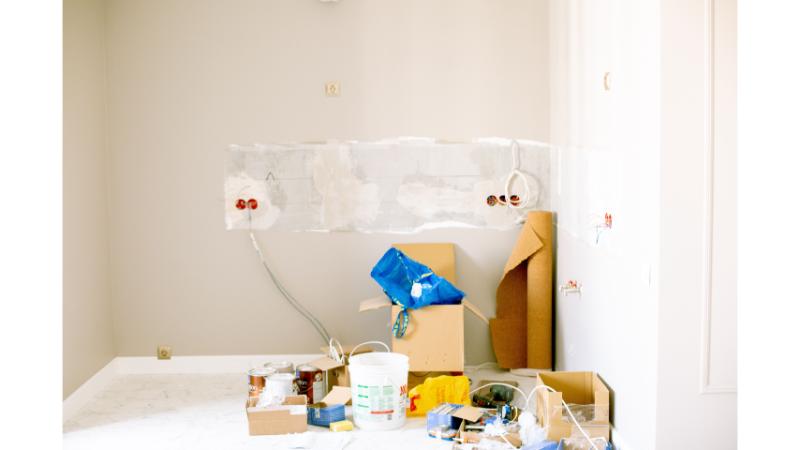
A first remodeling project can create much more debris than many homeowners expect. Removing cabinets, flooring, drywall, fixtures, trim, or old appliances may fill a workspace quickly, while new materials bring cardboard, plastic wrap, foam, and other packaging into the home.
Cleanup is easier when it is treated as part of the remodeling plan instead of something saved for the final day. A few simple strategies can help first-time remodelers protect their homes, maintain useful working space, and avoid moving the same debris repeatedly.
Plan for Debris Before Demolition Begins
Before removing anything, decide where outgoing materials will go. Debris should have a designated staging area that does not block doors, driveways, sidewalks, or the path needed for bringing new materials into the home.
Think about how waste will travel from the work area to that location. Carrying broken drywall or flooring through finished rooms can spread dust and create opportunities for damage.
A planned route makes demolition more organized from the beginning.
Clear the Room Before Starting
Furniture, decorations, rugs, and unnecessary household items should be removed from the remodeling area whenever possible. Anything that must remain should be covered or moved away from active work.
An emptier room provides more space for tools and makes cleanup easier. It also reduces the chance that dust, sharp debris, or construction materials will damage belongings.
Nearby rooms may also need temporary protection if workers will regularly pass through them.
Separate Reusable Items From Waste
Not everything removed during remodeling needs to be discarded. Cabinets, doors, fixtures, hardware, trim, or building materials may sometimes be reused, donated, or saved for another project.
Decide which items are worth keeping before demolition becomes aggressive. Place them somewhere away from the debris staging area.
Once usable materials are mixed with broken drywall, nails, flooring, and general construction waste, recovering them becomes much more difficult.
Work in Manageable Sections
First-time remodelers may be tempted to demolish the entire room before beginning cleanup. That approach can quickly create a large pile that reduces working space.
Instead, remove one section and clear its debris before moving to another. For example, cabinets can be removed and carried out before flooring demolition begins.
Smaller cleanup cycles make progress easier to manage and help prevent the project from becoming overwhelming.
Keep Walkways Clear
Hallways, stairs, doorways, and other travel routes should remain free of tools and debris. These areas will be used repeatedly for bringing materials in and carrying waste out.
Avoid creating temporary piles in entrances simply because they are convenient. Those piles often have to be moved again before the project can continue.
Maintaining one reliable route through the work area makes the entire remodeling process more efficient.
Handle Heavy Materials Carefully
Tile, concrete, plaster, countertops, and similar materials become heavy quickly. Small containers or manageable loads are often easier to handle than filling one large container until it becomes difficult to move.
Heavy debris should also be kept separate from lightweight cardboard or household trash when practical.
Homeowners should avoid assuming that a partially filled load is necessarily light. Dense remodeling materials can reach weight limits long before available space is used.
Control Dust and Small Debris
Large demolition pieces are obvious, but smaller material can spread much farther. Drywall dust, sawdust, screws, nails, wood splinters, and tile fragments may travel into nearby rooms if cleanup is delayed.
Temporary barriers can help isolate active work areas. Sweeping or vacuuming at regular intervals prevents small debris from accumulating.
Shoes and tools should also be checked before leaving the remodeling area so dust is not tracked through the rest of the home.
Manage Packaging as New Materials Arrive
The cleanup process continues after demolition. Flooring, cabinets, fixtures, appliances, and other new products often arrive with substantial packaging.
Break down cardboard as items are unpacked and contain plastic wrap, foam, and straps immediately. Do not allow empty boxes to take over the same space that was just cleared.
Keeping packaging organized makes installation areas easier to use and prevents lightweight materials from spreading outdoors.
Choose Removal Capacity Based on the Project
A bathroom refresh and a complete kitchen demolition create very different amounts of debris. Estimate what will be removed before choosing how materials will leave the property.
Temporary Dumpster may be considered alongside local transfer stations, recycling facilities, municipal collection programs, and other removal options when a remodeling project produces more material than ordinary household service can handle.
Homeowners should also check which materials are accepted before combining everything into one load.
Clean at the End of Each Work Session
Even a short cleanup at the end of the day can make a major difference. Collect scraps, organize tools, remove loose fasteners, and clear walkways before stopping work.
This prevents yesterday’s mess from becoming the first obstacle the next morning.
It is also a good opportunity to check whether the debris staging area has enough remaining capacity for the next phase of demolition.
Protect Finished Work
As remodeling progresses, completed areas need more protection. New flooring, cabinets, counters, painted walls, and trim should not become places to stack debris or store demolition tools.
Adjust cleanup routes as sections of the project are finished. Protective coverings may be appropriate where workers still need to cross completed surfaces.
Separating finished areas from active demolition helps prevent repairs that could have been avoided.
Perform a Final Detailed Sweep
When the main project is complete, inspect more than the obvious work area. Check closets, cabinets, corners, driveways, patios, and paths used to carry materials outside.
Look for nails, screws, plastic pieces, wood splinters, packaging, and other small debris.
Removing these materials before detailed cleaning makes the final stage easier and helps the renovated space feel truly finished.
First-time remodelers do not need an elaborate cleanup system, but they do need a consistent one. Planning debris routes, working in sections, separating materials, controlling dust, and cleaning regularly can keep a project from becoming unnecessarily chaotic.
When cleanup happens alongside the remodeling work, homeowners retain more usable space and spend less time moving debris repeatedly. That organization can make a first renovation feel considerably more manageable from demolition through the final finishing touches.